










Widening Access to Leading-Edge Cancer Expertise
Should a cancer patient’s socioeconomic status or zip code dictate the oncology expertise available to them or their ability to access cutting-edge clinical trials? Not according to AccessHope, which provides remote expert oncology opinions as a supplemental benefit to payers and employer self-funded plans.
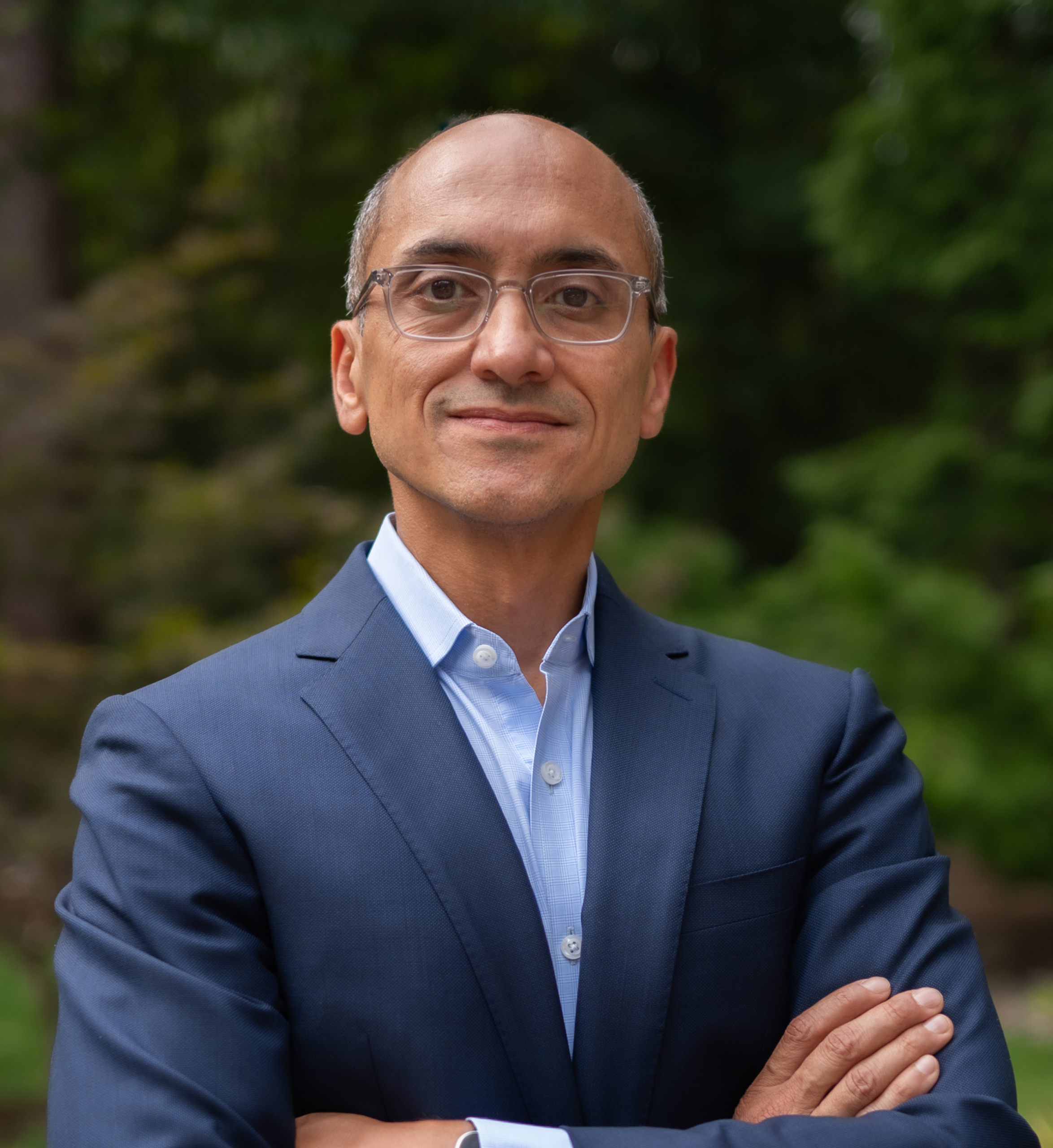
Yousuf Zafar
“The vast majority of cancer care in this country is delivered in the community,” said Yousuf Zafar, MD, MHS, Chief Medical Officer of AccessHope. “Community oncology providers are hardworking, compassionate, and highly skilled, yet they can be overwhelmed by the volume of patients in their practice and may face obstacles keeping up with the rapid pace of new evidence in cancer care. We bridge the gap between care available at community clinics and the leading-edge expertise of major medical centers.”
Lifting the Burden from Patients
Instead of attempting to shuttle community oncology patients to major medical centers for care, AccessHope’s service focuses on disrupting care as little as possible by letting patients stay with their trusted provider.
The service (free to patients because it is covered as an employee benefit by their employer) provides an expert second opinion of a patient’s care plan from a specialty oncologist at one of their seven NCI-designated Comprehensive Cancer Center (NCI-CCC) partners: City of Hope, Dana-Farber Cancer Institute, Emory Healthcare, Fred Hutch Cancer Center, Johns Hopkins Medicine, Northwestern Medicine, and UT Southwestern Medical Center.
The expert oncologist reviews the patient’s care plan and makes recommendations for imaging, molecular diagnostic and genomic tests, anti-cancer therapy, surveillance, supportive care, and lifestyle and behavioral modifications. The expert oncologist then delivers those recommendations back to the community oncologist, who can keep the patient in their fold without disruption.
“Most patients don’t seek a second opinion because it can lead to delays, extra costs, and other burdens,” Dr. Zafar said. “Having this as an employee benefit lifts those burdens and costs from the patient and allows employers to provide a valuable employee benefit.”
Dr. Zafar understands the cost barriers to cancer care well. He has been studying financial toxicity of cancer for nearly two decades and is one of the first researchers to show that the financial burden of care was being shifted to patients in the form of increasing out-of-pocket costs. He said that unlike other remote second opinion services, AccessHope’s service is completely free of charge to both the patient and the patient’s oncologist.
Community Oncologists Value Support from AccessHope
According to Dr. Zafar, community oncologists are widely supportive of the second-opinion service provided by AccessHope: two-thirds of oncologists who receive their recommendations adopt them.
He shared an anecdote of one community oncologist: “One of our NCI-CCC partners conducted a review of a young patient with kidney cancer who was receiving treatment not concordant with the latest evidence,” he said. “The cancer had grown on immunotherapy, but their doctor kept them on it. We reached out to a kidney cancer specialist who reviewed the case and provided another standard of care option, along with recommendations for palliative care, genetic testing, and a clinical trial close to the patient.”
“We followed up with the patient’s doctor who said the timing of the review was perfect because he was struggling with next steps. He started the patient on the new line of therapy, and the patient was extremely interested in participating in the clinical trial.”
Success stories like this illustrate the benefit of understanding the needs of community oncologists and meeting them where they are – especially for more complex patients. Remote cancer expertise also has been found to significantly impact treatment for socioeconomically disadvantaged and non-urban patients.
Helping Patients Enroll in Clinical Trials
As with the patient mentioned above, community oncologists face numerous barriers when trying to identify appropriate trials for their patients, including limited awareness of available trials and inability to match patients to trials in real time. Further hampering their efforts is the fact that existing avenues for identifying clinical trials are often outdated and difficult to navigate.
AccessHope recently launched a new clinical trial support service to help oncologists and their patients find and enroll in appropriate studies. The service uses AI to match eligible patients to trials and guide them through enrollment. The service also coordinates with trial sites to confirm study availability and readiness. It helps patients understand their options and navigate next steps, making clinical trial participation more accessible, equitable, and achievable.
“Only about 7 percent of cancer patients in the U.S. participate in clinical trials – an unacceptably low number,” Dr. Zafar said. “With this service we hope to not just provide another potentially therapeutic option for an individual patient, but also to improve our general evidence base by increasing trial enrollment.”
Employers Play an Important Role in Cancer Care
AccessHope is currently offered to about 10 million members through more than 800 employers. By fostering a supportive environment, offering comprehensive benefits, promoting a sense of normalcy and tailoring specific programs to meet patients’ needs, employers can help these individuals thrive both personally and professionally.
“The support not only enhances physical well-being, but also fosters loyalty and productivity, which builds a positive workplace culture for everyone,” Dr. Zafar concluded. “As a physician and researcher who has long focused on improving cancer care delivery, the ability to make such a positive impact nationally across a population of cancer patients has been tremendous.”