















ALS Association Helps Patients Tackle Insurance Denials and Navigate Their Care
Living with amyotrophic lateral sclerosis (ALS) can be stressful for patients and their caregivers. From delays in getting diagnosed and difficulties managing life-altering symptoms, to navigating complex insurance issues, finding the right support can be overwhelming.
The ALS Association is committed to supporting families impacted by ALS by providing care teams, tools, and resources patients and their caregivers need to enhance quality of life and improve outcomes.

Marianne Keuhn
“Although we’ve seen improvements in time to diagnosis over the last five to ten years, ALS still can take months to diagnose,” said Marianne Keuhn, VP of Care Services, ALS Association. “At the point of diagnosis, most patients have been experiencing profound symptoms for some time, but they don’t know much about the disease or what to expect moving forward. And they certainly are not ready for the financial barriers to care they may face, such as insurance denials.”
To help put the financial burden of living with ALS into perspective, Keuhn pointed to the ALS Association’s ALS Focus survey, which examined the stressors people with ALS experience as they deal with covering their medical costs, understanding their health insurance policies, and managing bills. The infographic below outlines key findings of the survey.
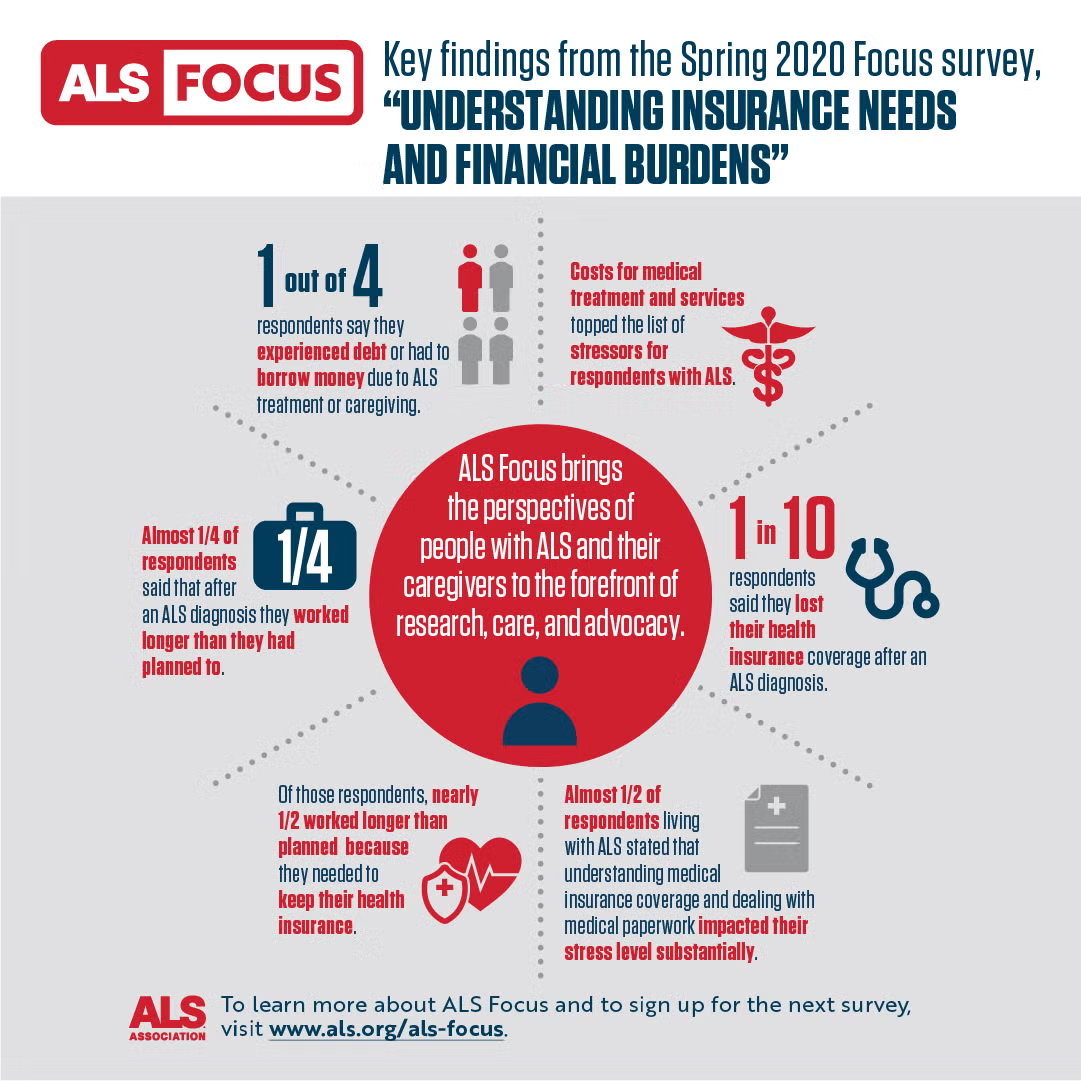
Courtesy of ALS Association. For additional details on the survey, click here.
The Case for Coverage
The ALS Association has long advocated for ALS policy reforms at the federal, state, and local level. This advocacy work was instrumental in the expansion of social security disability benefits, which now automatically start upon diagnosis (if the patient has paid into Social Security for a certain amount of time). They also have advocated for health insurers to expand access to specialists and coverage for treatments, durable medical equipment, and home health care. However, significant barriers remain.
“When care is delayed because insurance plans don’t cover certain types of care or require pre-authorization or step therapy, disease progression can accelerate and quality of life can decline,” Keuhn said, noting that as of today, there is no cure for ALS. “Our research shows that even with prior authorization, many patients – about one in three – still receive insurance denials.”
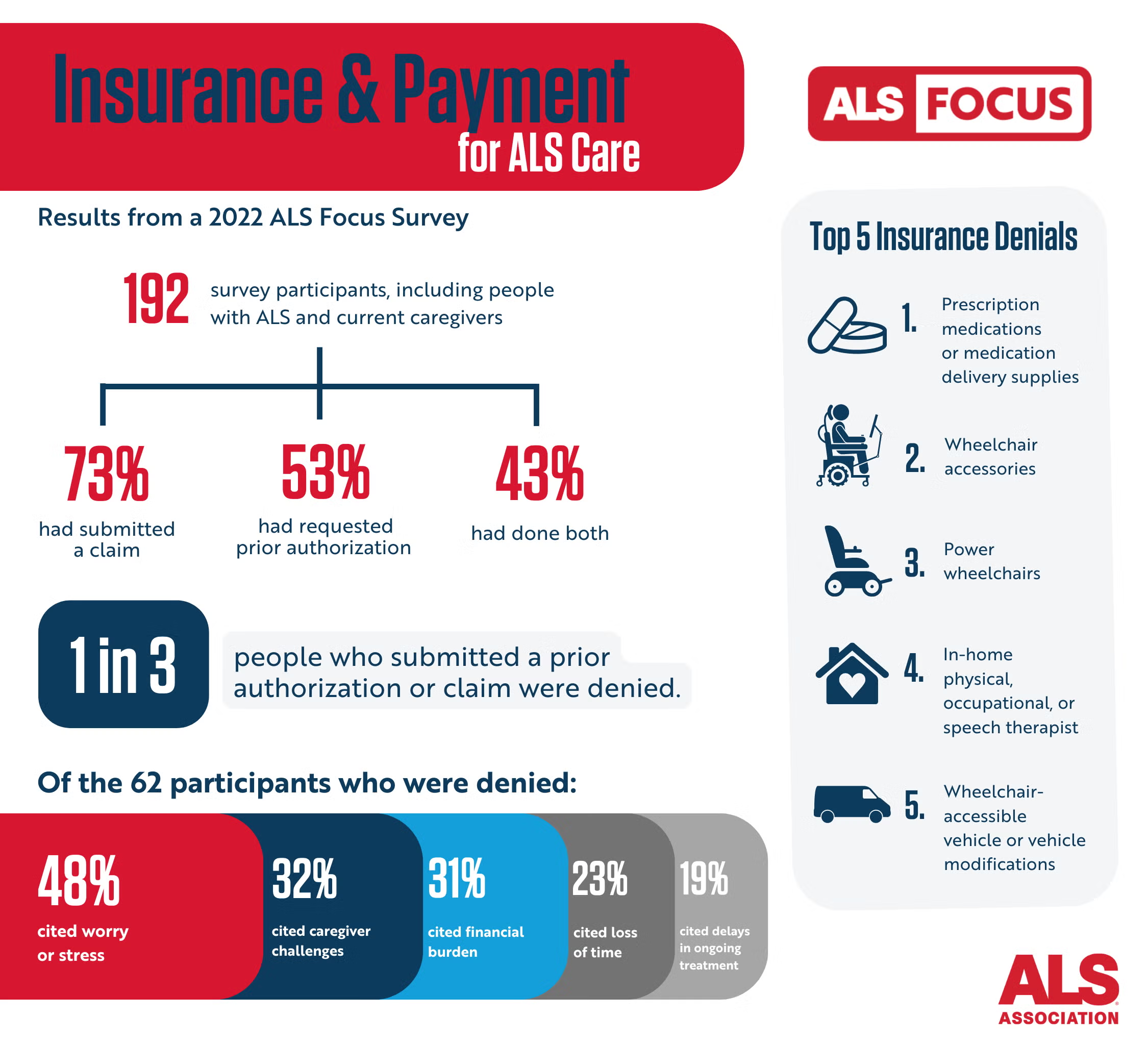
Courtesy of ALS Association.
One of the biggest barriers to timely ALS care is insurers imposing coverage restrictions on prescription medications that do not align with FDA-approved indications and clinical need.
“Several FDA-approved medications have been shown to help slow disease progression,” Keuhn said. “However, they are expensive, making insurance companies hesitant to cover them. Also, evidence for the treatments is typically based on a relatively small patient population with little disease progression, so people with more advanced ALS won’t qualify for treatments that could benefit them. Moreover, insurance companies typically review their formulary plans only once or twice a year, so if a drug is approved in say, January, the review may not come until July, leading to further delays.”
Another issue, said Keuhn, is limited insurance coverage for high-cost durable medical equipment, like power wheelchairs. For example, Medicare will only cover one power mobility device every five years (for a disease in which patients typically live only 2-5 years). And commercial insurers often limit coverage to only features needed at the time of purchase. This may force a decision either to get a wheelchair now that will not be appropriate in the future or go without a wheelchair until the patient’s function decreases further, leading to an increased risk of falls and other harms often treated in emergency departments at a high cost.
People with ALS also face insurance barriers to access appropriate ventilation and airway clearance equipment, supplies, and skilled respiratory therapists critical to support longevity and quality of life.
“People with ALS know there are medicines that could slow their disease,” said one person with ALS. “It’s a stressful, helpless feeling to wait and wonder if you’ll get something that can help you.”
“I was assessed for which features I would need for my power wheelchair, but at the same time advised to limit the features so insurance would pay for it,” said another. “Why is there a disconnect between what my physician says I need versus what my insurance will cover?”
Insurance Tools for Patients and Providers
Through its web site and via its Care Services staff embedded in multidisciplinary ALS clinics around the country, the ALS Association provides a variety of free tools and resources to help navigate complex insurance and care cost issues.
“Our Care Services staff are an integral part of the ALS clinic team,” said Keuhn. “They meet quarterly with patients and their caregivers to help them navigate all aspects of their ALS journey, including insurance issues. They also work with clinical staff to help them address insurance delays, appeals, and prior authorization barriers.”
To help providers and advocates educate health insurance plan designers and administrators about the importance of covering ALS treatment, services, and equipment, ALS Association offers an ALS Coverage Resource Guide. The Guide includes practical tips for engaging with health insurers, strategies to prevent insurance denials, and best practices for appealing them.
Among insurance and financial resources for patients and caregivers, ALS Association provides ALS Coverage Navigator, with information on navigating insurance denials and the appeals process. A companion ALS Insurance Navigator™ is a step-by-step guide on how to file internal and external insurance appeals, appeal an adverse external appeal decision, and request legal assistance.
Support Services Designed to Enhance Quality of Life
In addition to providing free advocacy and educational tools, ALS Association also provides direct support to people living with ALS through a variety of statewide and national programs.
For example, the Association’s Independence & Mobility Program offers free specialized equipment – durable medical equipment, aids for daily living, and communications devices – to help patients manage daily tasks, maintain independence, and enhance comfort.
“Items like powered patient lifts, bathroom equipment and some assistive communications technologies aren’t considered medically necessary by Medicare,” Keuhn said. “ALS Association can help people procure these essential items by loaning them out in the case of larger items or providing them outright with no expectation of a return.”
ALS Association also offers virtual home assessments, provided by a home modification specialist who helps people with ALS identify home accessibility, mobility, and safety challenges. Potential options and recommendations allow families to make informed decisions about the best, most cost-effective modifications for accessibility and safety in their environment.
ALS Association support groups, including in-person and online groups, join people together who are dealing with similar difficult circumstances, whether that’s how to modify their home’s bathroom or how to navigate insurance claims and denials.
“These support groups, along with a patient’s ALS clinic, are great places to get connected to the wraparound services ALS Association provides,” Keuhn concluded. “And we’re always available 24/7 at als.org.”
Editor’s Note
Are you or a loved one living with ALS and having trouble affording your treatments? The HealthWell Foundation’s Amyotrophic Lateral Sclerosis Fund offers up to $15,000 in prescription drug copay or insurance premium (Medicare Part B) only to qualified individuals.