










Are Clinical Trials Out of Reach for Most Americans?
The financial toxicity that comes with cancer treatment is very real for families nationwide. One in five people diagnosed with cancer can’t afford their basic needs: rent, groceries, transportation, or utility bills. However, the financial barriers that threaten people’s basic needs during cancer care are compounded when patients take part in a clinical trial.
Family Reach is a national non-profit organization dedicated to helping families facing cancer overcome the financial side effects of treatment so they can focus on healing. Through financial assistance, education, and resource navigation, Family Reach helps families manage essential expenses and maintain stability throughout cancer treatment. For 30 years, the organization has worked to ensure that financial hardship does not stand between families and the support they need.
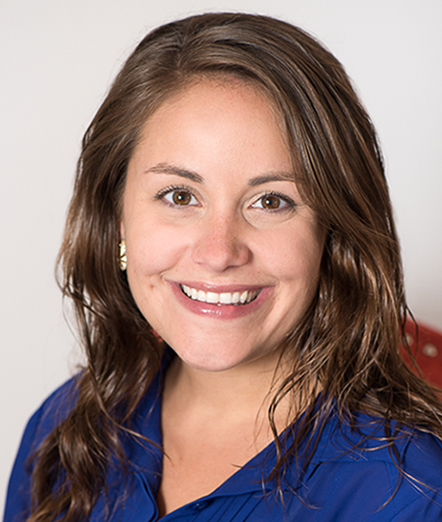
Jackie Hess
“Participating in a clinical trial can be life-changing for individual patients,” said Jackie Hess, LSW, Sr. Director of Programs for Family Reach. “It can be a good option if standard treatments don’t work or aren’t sufficiently effective, or when exploring different treatment options for a particular stage or type of cancer. At a societal level, robust participation in clinical trials is crucial to accelerating research that advances better treatments.”
Obstacles to Clinical Trial Participation
According to Hess, financial hardship is a primary driver of patients dropping out of clinical trials or not enrolling in the first place. However, patients must overcome other challenges to engage with and access a clinical trial as well. First and foremost is knowledge: Do they even know that a trial matching their diagnosis and treatment goals exists? Are they eligible for the trial based on their age, cancer type, or stage?
The location of the trial can be another barrier, especially for patients living in rural areas far from the large, metropolitan academic medical centers that typically run clinical trials. Extra costs for transportation, lodging, parking, gas, and meals while undergoing clinical trial treatments places further pressure on family budgets, especially if wage earners – patients or the family members who accompany them – need to take time away from work or pay for additional child or dependent care while undergoing treatment far from home.
Those living paycheck-to-paycheck are the hardest hit as they seek to balance trial-related costs with everyday living costs like food, rent, and utilities. Families may find themselves drawing down their savings, falling behind on household bills, or overloading credit cards to participate in a trial.
“Patients participating in clinical trials have more frequent travel, additional doctor’s appointments, and extended time away from work,” Hess said. “Moreover, they also may be recovering from the treatment side effects and financial strain that accompanied their initial diagnosis and treatment.”
According to Family Reach, many cancer patients turn down or stop participating in clinical trials due to high out-of-pocket costs, which include an estimated $600 in additional travel and lodging costs compared to patients who are not on clinical trials. Many families can’t absorb these costs, especially those who are socioeconomically disadvantaged. In fact, patients are 30% less likely to enroll in a clinical trial if their household income is below $50,000.1,2
“It’s one thing to find a clinical trial and enroll in it, but it’s quite another to participate – and more crucially, remain on the trial,” Hess said. “It may be medically appropriate, but financially out of reach.”
Increasing Access to Lifesaving Cancer Care
Family Reach supports patients participating in clinical trials through its Clinical Trial Access program. The program connects people enrolled in clinical trials to its free Financial Resource Center, which helps patients and their families afford basic needs like housing, transportation, food, and utilities, helping to eliminate these financial barriers to lifesaving clinical trials.
The Financial Resource Center features a Local Resource Finder – searchable by zip code – available 24/7 to help patients and their loved ones find local resources and assistance programs for everyday costs during cancer treatment, including food assistance, housing assistance, and transportation assistance.
It also features educational resources, including tips for managing everyday expenses and talking about money concerns with your care team.
Patients can also use Family Reach’s Financial Resource Center as a gateway to connect one-on-one with an expert navigator to get personalized recommendations for financial assistance and resources.
“Our navigators exist in a safe space outside of the traditional health care system, giving patients an option to confide in someone about things they may feel uncomfortable talking about with their care team,” said Hess.
According to Family Reach, 94% of patients on a clinical trial felt less financial distress after accessing the Financial Resources Center.
One of those patients, Arleth, received housing and transportation support from Family Reach during her clinical trial for lymphoma, sharing that she “would not be able to do a clinical trial without this support.”
In addition to its Financial Resource Center, Family Reach offers financial assistance grants (based on available funds) to help cover non-medical expenses, including mortgage/rent payments, utilities, groceries, and transportation.
“Have the Hard Conversation”
Most people find it easier to discuss politics or their love life than their bank accounts. Family Reach encourages everyone living with cancer to break the silence.
“Whether you’ve just been diagnosed, are in the middle of treatments, or are exploring the idea of participating in a clinical trial, it’s important to have those difficult money discussions with your care team,” Hess said. “Have them early and often – your financial situation may change as you progress through treatments and survivorship.”
Depending on the individual trial, some costs may be covered by the trial sponsor, such as the investigational drug being studied and specific tests performed for research purposes. Some sponsors may also reimburse travel and lodging costs. Routine costs outside of the trial, like doctor visits, hospital care, and imaging tests, would typically fall under the patient’s medical insurance and would be subject to deductibles and copays, depending on the health plan.
“Have an open discussion with your primary oncology provider and the trial research team to identify what the sponsor covers, what insurance covers, and what the out-of-pocket expenses are,” Hess said. “Understand all these costs before agreeing to participate, then weigh the medical benefits, potential risks, and alternatives to make an informed decision. A trial may not be as unattainable as it may seem, and these discussions may open the door to assistance you didn’t know existed.”
Hess stressed that patients don’t need to be experts in clinical research and shouldn’t rely on “Dr. Google” for guidance. Instead, they should lean on their care team – including their oncologist, oncology social worker, or financial navigator – and come to appointments prepared with a list of questions. To help get the conversation started, Family Reach offers several resources for talking about money concerns:
- Checklist – How to Prepare for Financial Conversations with Your Health Care Team
- Asking Your Care Team for Help with Everyday Costs During Cancer Treatment
- Why Should You Talk to Your Cancer Care Team About Your Basic Needs?
“It can be difficult to talk about finances without a certain level of shame or stigma,” said Hess. “Cancer patients should know they’re not alone – many people face the same challenges.”
References:
1-Unger, J. M., Gralow, J. R., Albain, K. S., Ramsey, S. D., & Hershman, D. L. (2016). Patient income level and cancer clinical trial participation: A prospective survey study. JAMA Oncology, 2(1), 137–139. https://doi.org/10.1001/jamaoncol.2015.3924
2-Williams, C. P., Deng, L., Caston, N. E., Gallagher, K., Angove, R., Pisu, M., Azuero, A., Arend, R., & Rocque, G. B. (2024). Understanding the financial cost of cancer clinical trial participation. Cancer Medicine, 13(8). https://doi.org/10.1002/cam4.7185