

Can’t Afford Your Medications? Start Here to Get Help
Six in ten adults in America report taking at least one prescription medicine, and a quarter of adults take four or more. And while the majority of Americans think that prescription drugs have made people’s lives better, 55% are very or somewhat worried about affording them. That could be why nearly a third of Americans report not filling a prescription medicine, taking an over-the-counter drug instead of getting a prescription filled, cutting pills in half, or skipping doses due to cost.1
Non-profit organization NeedyMeds is seeking to improve these numbers by connecting people to programs that will help them afford their medications and other health care costs. NeedyMeds was founded in 1997 by a family physician and a medical social worker who realized there was a need for a centralized resource for information about pharmaceutical patient assistance programs. Since then, the organization has grown considerably, along with the need for assistance.
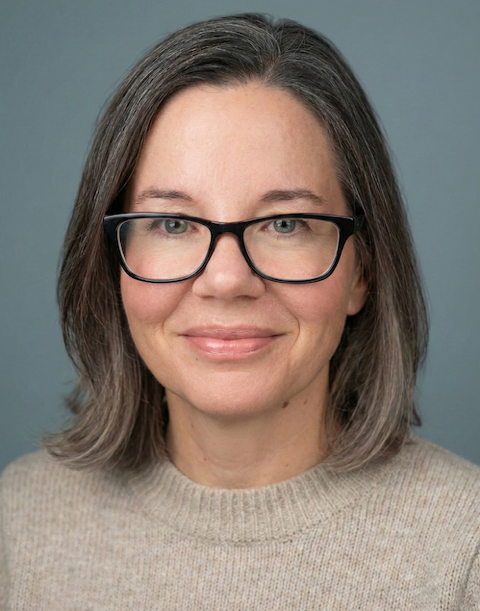
Ruth Rowe
“Affordability issues touch every part of health care, from preventive and diagnostic services to treatments, mental health services, hospital stays, medications, and ancillary costs like transportation to appointments,” said Ruth Rowe, president of NeedyMeds. “These affordability issues hit people at all ends of the spectrum – people with insurance and people without…those with low incomes and those with higher incomes.”
Empowering Those Seeking Affordable Health Care
Rowe said NeedyMeds is a “great starting place” for people looking for clear, trustworthy, and accurate information about over 7,000 assistance programs; 15,000 free, low-cost, and sliding scale clinics; 1,500 drug discount coupons; and more. All information is accessible online, at no charge, and without registration.
“There’s a very real lack of transparency around health care prices,” Rowe said. “That leaves people confused, not knowing where to turn for help, and even unaware that they have options and help is available.”
For example, most patients don’t know that they can “shop” for prescription medications like they shop for groceries – checking prices at different pharmacies; asking their doctor for a different medication, a generic version, or separate versions of combined drugs; or asking their pharmacist about their options. However, unlike grocery shopping, patients don’t have the benefit of a store circular or advertised sales to inform their decisions.
“We help make people better health care consumers,” Rowe said. “We give them the knowledge and tools they need to better understand what they’re spending and how they can save.”
Free Information for People Seeking Help with Health Care Costs
More than 1.4 million patients, family members, health care professionals, social workers and patient advocates use the NeedyMeds website each year to find information on:
- Drug discount cards, which can help save up to 80% off the prices of prescription medications.
- Prescription assistance programs (PAPs), created by pharmaceutical companies to provide free or discounted medicines. Other PAPs are charitable patient assistance programs (CPAPs) offered by non-profit foundations to provide medication copayment assistance as well as assistance with insurance premiums, treatment costs, and other ancillary health care costs.
- Diagnosis-based assistance programs, private or government-funded programs that offer help with costs associated with specific diagnoses and cover many types of expenses, such as durable medical equipment, in addition to drugs.
- Direct to Consumer program, which offers medications for a discounted cash price.
- Government programs, including state and federal programs that assist with health care expenses.
- Coupons and rebates, plus savings cards, trial offers and free samples.
- Free/low-cost/sliding-scale clinics that offer affordable primary and preventative care.
- Transportation and travel expense services, to assist with the cost of traveling to and from doctor appointments and treatment sessions.
“NeedyMeds researchers continuously look for new areas of need and investigate new programs, services, and organizations to include on our site,” Rowe said. “Most recently, we’ve been focused on cost-savings options for direct-to-consumer medications and savings opportunities for those without insurance.”
NeedyMeds also provides ancillary information patients may need along their health journey, including information on:
- Disease diagnosis.
- Assistance with patient assistance program applications that help people apply for PAPs at low or no cost.
- Retreats, camps and recreational programs for people of all ages, and their loved ones, who are living with specific conditions.
- Scholarships available to potential students of all ages living with a specific diagnosis.
- Safe needle disposal of used needles and sharps.
- Educational information, including webinars, training courses, newsletters, and tips on maximizing medicine benefits and minimizing medicine risks.
Patients and health care providers alike have praised NeedyMeds for their helpful resources.
Said one patient, “NeedyMeds.org is a game-changer for anyone struggling to afford health care. Their web site is super easy to use and in addition to helping patients like myself find financial resources for medications and treatment, it also offers much needed educational resources. As someone with multiple chronic conditions, I appreciate that NeedyMeds is condition agnostic. I highly recommend signing up for one of their webinars as a great starting point.”
A professional with expertise in the field added, “I have been working with NeedyMeds for over a decade, and the web site has become our go-to. They offer a comprehensive database of information for our staff members to help the public access medications and care. Our work would be much more labor intensive without the resources that NeedyMeds makes available to the public.”
Reference:
1 – KFF