













Families Are Raising Their Voices and Speaking Out About Serious Mental Illness
As one of the millions of Americans with a family member living with a serious mental illness, Jeanne Gore saw her share of heartbreak and frustration. Her adult son was hospitalized repeatedly, arrested multiple times, and faced more than his share of dangerous and potentially deadly situations related to his mental illness.
Gore turned her heartbreak and frustration into action, working tirelessly to help get an Assisted Outpatient Treatment (AOT) law passed in her home state of Maine. Looking farther afield, she also understood the nationwide implications of the social, political, and health care system shortcomings that leave people like her son neglected and discriminated against. In 2017, she founded the National Shattering Silence Coalition (NSSC), a national non-profit organization dedicated to speaking out and inspiring change for over 8 million children and 14.2 million adults with serious mental illness (SMI).
Today, NSSC focuses on raising awareness about the impacts of serious mental illness and fighting to ensure proper approaches and treatment for those with SMI.
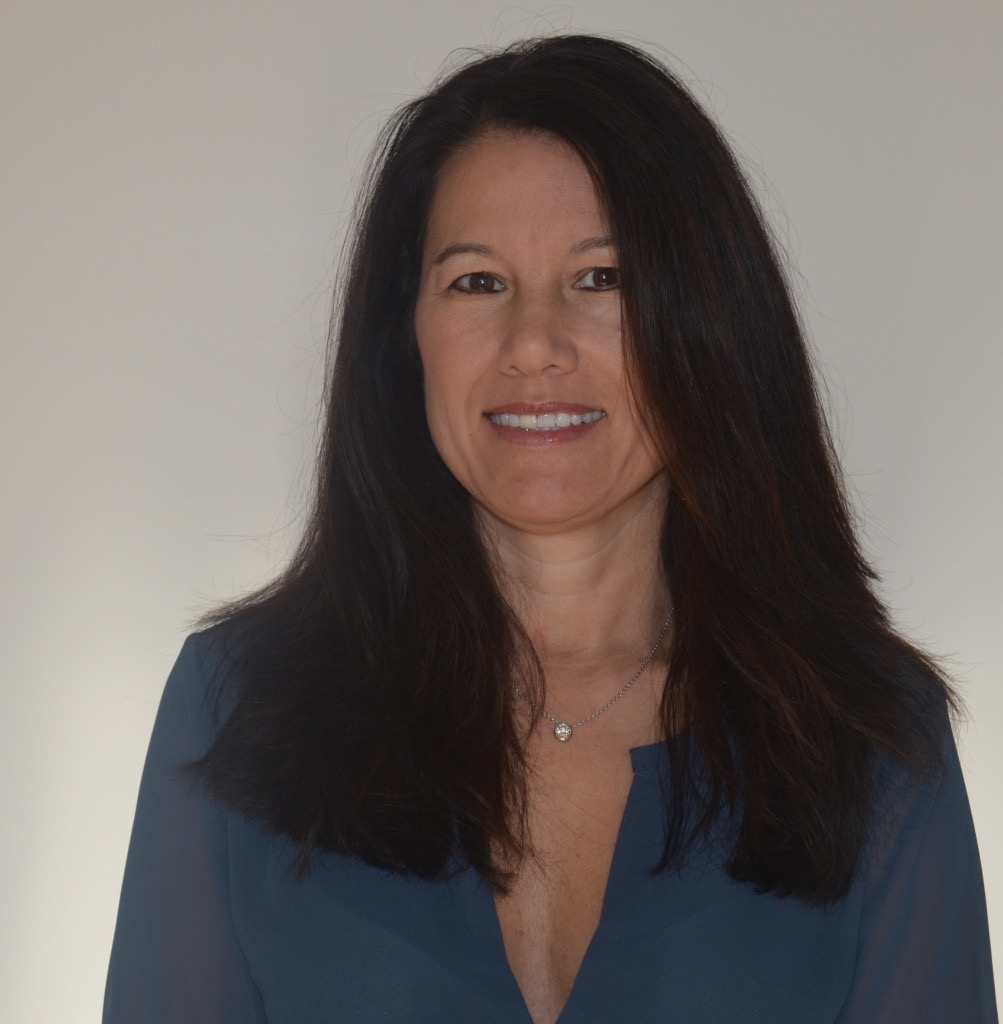
Ann Corcoran
“Our nonpartisan alliance of family members, individuals suffering from SMI, professionals in the trenches, and caring people is united to ensure mental illness, health, and criminal justice systems count those with SMIs, and their families, in all federal, state, and local policy reforms,” said Ann Corcoran, RN, MSN, who became NSSC’s Executive Director after Gore passed away in 2023. “Input from and participation by each of these groups is critical when collaborating and advocating for these issues.”
Increasing Awareness of Serious Mental Illness Through Educational Initiatives
“Until recently, families of those living with SMI haven’t had much of a voice, and those in positions of power in our health and criminal justice systems were not adequately educated about the personal and societal impacts of SMI,” Corcoran said. “NSSC aims to change that by amplifying the voices of those with SMI and their loved ones through life stories, professional and peer talks, sharing resources, and media outreach.”
One of NSSC’s featured resources is a comprehensive Guide to Psychosis and Psychotic Illnesses. The guide, written by NSSC member Darrell Herrmann, explains psychosis, anosognosia (when the person cannot recognize that they are ill or that they have a problem), and psychotic illness symptoms in layman’s terms. Anti-psychiatry, recovery, and successful treatment methods are also discussed. Herrmann has lived with schizophrenia for 40 years, giving him a unique perspective that is crucial to helping others understand the lived experience of someone with psychosis.
NSSC also offers SMI Caregivers in Crisis: What You need to Know, a five-page guide that covers information of interest to families of those with an SMI. Developed by a group of NSSC members, directors, and caregivers, the guide reviews the dynamics of HIPAA (Health Information Privacy Accountability Act) and how to avoid and navigate the criminalization of their loved one. According to Corcoran, tips in the guide have been well received by judges she speaks with and have made a difference in several cases under their adjudication.
“The criminal justice system is siloed, making it difficult to navigate when your loved one is in crisis,” Corcoran said. “We want to let families and caregivers know that there is always something you can do…you may just need to think outside the box.”
In addition to written materials, NSSC hosts regular “Pro & Peer Talks” designed to share insights and experiences from criminal justice professionals and patients and/or their families. One recent Pro Talk featured a Michigan Supreme Court judge who discussed the benefits of AOT, while a recent Peer Talk featured a parent whose son killed his other parent after his psychosis was left untreated.
“It’s simply not humane to leave someone with psychosis untreated as they can become a ticking timebomb,” Corcoran said. “Whether it’s through one of our Pro & Peer Talks, or through the boots-on-the-ground work we do, our main message when speaking with families is that we want to help your loved one get the help they need.”
Media Outreach Uses Storytelling Approach to Personalize Serious Mental Illness
NSSC, in collaboration with AwareNow Media, has published nine stories in AwareNow Magazine, the world’s official storytelling platform for causes. The Beyond Stigma campaign focuses on the failures of the current system in treating serious mental illness and the impact it has had on families. NSSC plans to compile these stories and others into a short documentary soon.
“While we applaud the work of organizations focused on anti-stigma campaigns, we believe that stigma is not the biggest issue facing people living with serious mental illness,” Corcoran said. “Instead, it is a combination of anosognosia and outdated laws that don’t allow someone to get help until they are in full-blown crisis and a danger to themselves and others, at which time it may be too late.”
NSSC also is partnering with Nashville-based music producer and podcaster Tony Mantor, whose Why Not Me the World podcast explores the world of autism by providing valuable information and insights, fostering empathy and understanding, and promoting acceptance and inclusion. Throughout the month of May, Mantor featured stories from those living with serious mental illness, their loved ones, and the professionals who are on the leading edge of transforming the criminal justice system. NSSC is working with Mantor to release Humanity Over Handcuffs™: The Silent Crisis, a special podcast series and transformative initiative aimed at reshaping how the justice system interacts with individuals facing autism and mental health challenges.
“I believe that when people listen to these stories, they will be shocked and horrified to know what is happening across our country,” Corcoran said. “We fully support and empower families who want to come forward to share their experiences with others.”
Guidance for Mental Health Professionals
In addition to taking its educational and awareness initiatives to the general public, NSSC works directly with mental health professionals to help them understand the nuances of serious mental illness and why patients may not follow their treatment protocols. The Coalition regularly shares its materials with community behavioral health centers and is reaching out to social work schools at universities to help them better educate their master’s level students.
“Social workers are required to undergo special training on substance use disorder, but there is nothing similar for psychosis or schizophrenia,” Corcoran said.
In The Words of a Member and Volunteer
Corcoran stressed that NSSC is a volunteer-driven organization that has touched countless lives, including Laura Craciun, whose son lived with psychosis and attempted to take the life of his father before undergoing mandated mental health treatment. Today, Craciun gives back to NSSC as Co-Chair of its Policy Action Committee, Member of its Steering Committee, and Policy Director for NSSC’s Massachusetts chapter.
“I’ve been very fortunate to find NSSC when my son’s illness had reached its biggest peak since onset,” Craciun said. “The care, calming, and creative support I received was like no other group. I immediately felt not alone. The advice specific to my son’s case made me feel part of a team. Ann was like a cheerleader and urged me to speak out. I did and have been doing so ever since.”
Do You or a Loved One Need Help Affording Mental Health Treatments?
You may be eligible for financial assistance from the HealthWell Foundation.
HealthWell offers a Neurocognitive Disease with Psychosis-Medicare Access Fund, which provides up to $6,000 in prescription drug copay or insurance premium (Medicare Part B only) assistance for the treatment of psychosis in patients previously diagnosed with any of the following neurocognitive diseases: Alzheimer’s/Dementia, Parkinson’s Disease, Diffuse Lewy Body Disease, Frontotemporal Lobar Degeneration, Huntington’s Disease, Prion/Creutzfeldt-Jakob Disease, and Traumatic Brain Injury.
HealthWell also offers a Schizophrenia-Medicare Access Fund, which provides up to $4,000 in prescription drug copay or insurance premium (Medicare Part B only) assistance with the prescription drugs and biologics used in the treatment of Schizophrenia.